
No community ratings yet on FilmStash · 0 membersOne score per member · Verified member ratings
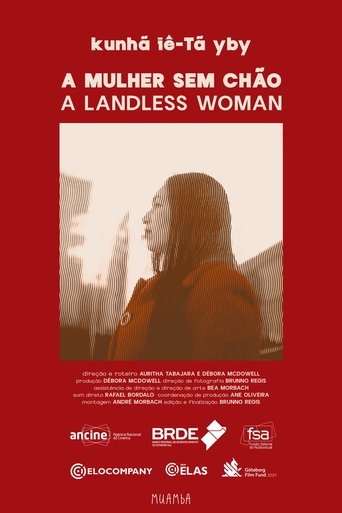
A poetic hybrid documentary following Auritha Tabajara, an Indigenous writer, artist, and lesbian woman, as she reflects on memory, displacement, and identity. Through intimate voiceover and encounters with landscapes shaped by colonial violence, Auritha revisits her childhood, her forced separation from ancestral land, and the erasure imposed on Indigenous peoples in Brazil. The film also addresses her experience as a queer Indigenous woman, exploring how her homosexuality intersects with cultural belonging, exclusion, and self-affirmation. Moving between personal testimony and collective history, the film transforms loss into resistance, reclaiming voice, desire, and presence while reaffirming the inseparable bond between land, body, and storytelling.Read moreLess
A poetic hybrid documentary following Auritha Tabajara, an Indigenous writer, artist, and lesbian woman, as she reflects on memory, displacement, and identity. Through intimate voiceover and encounters with landscapes shaped by colonial violence, Auritha revisits her childhood, her forced separation from ancestral land, and the erasure imposed on Indigenous peoples in Brazil. The film also addresses her experience as a queer Indigenous woman, exploring how her homosexuality intersects with cultural belonging, exclusion, and self-affirmation. Moving between personal testimony and collective history, the film transforms loss into resistance, reclaiming voice, desire, and presence while reaffirming the inseparable bond between land, body, and storytelling.
The story
A poetic hybrid documentary following Auritha Tabajara, an Indigenous writer, artist, and lesbian woman, as she reflects on memory, displacement, and identity. Through intimate voiceover and encounters with landscapes shaped by colonial violence, Auritha revisits her childhood, her forced separation from ancestral land, and the erasure imposed on Indigenous peoples in Brazil. The film also addresses her experience as a queer Indigenous woman, exploring how her homosexuality intersects with cultural belonging, exclusion, and self-affirmation. Moving between personal testimony and collective history, the film transforms loss into resistance, reclaiming voice, desire, and presence while reaffirming the inseparable bond between land, body, and storytelling.
Cast & crew
Cast information isn’t available yet.
Explore the crew
- Director of Photography
- Brunno Regis
- Writer
- Auritha Tabajara
- Director
- Auritha Tabajara
- Producer
- Débora Mcdowell
- Writer
- Débora Mcdowell
- Director
- Débora Mcdowell