
No community ratings yet on FilmStash · 0 membersOne score per member · Verified member ratings
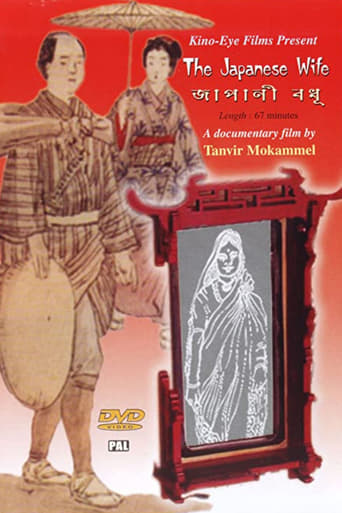
Hariprobha Basu Mallik (1890-1972) of Dhaka married Japanese citizen Wemon Takeda and went to Japan in 1912. About her travel and experiences in Japan she wrote a book titled as "Travel in Japan by a Bengalee Woman" (Bongo Mohilar Japan Jatra). Regarding travelogues on Japan the first book that comes into any Bengalee's mind is Rabindranath Tagore's well known "Traveller to Japan" (Japan Jatri). But while Tagore wrote about the beauty and aesthetics of Japan with profound depth, Hariprobha portrayed the everyday domestic life of the common Japanese people. Japan, during the beginning of the last century, seems a different country altogether. Hariprobha, during her last visit to Japan in 1941, used to read Bengali news from Tokyo radio for Subhas Chandra Bose's Azad Hind Fouz. After the Second World War Hariprobha returned to India and died in Kolkata in 1972.Read moreLess
Hariprobha Basu Mallik (1890-1972) of Dhaka married Japanese citizen Wemon Takeda and went to Japan in 1912. About her travel and experiences in Japan she wrote a book titled as "Travel in Japan by a Bengalee Woman" (Bongo Mohilar Japan Jatra). Regarding travelogues on Japan the first book that comes into any Bengalee's mind is Rabindranath Tagore's well known "Traveller to Japan" (Japan Jatri). But while Tagore wrote about the beauty and aesthetics of Japan with profound depth, Hariprobha portrayed the everyday domestic life of the common Japanese people. Japan, during the beginning of the last century, seems a different country altogether. Hariprobha, during her last visit to Japan in 1941, used to read Bengali news from Tokyo radio for Subhas Chandra Bose's Azad Hind Fouz. After the Second World War Hariprobha returned to India and died in Kolkata in 1972.
The story
Hariprobha Basu Mallik (1890-1972) of Dhaka married Japanese citizen Wemon Takeda and went to Japan in 1912. About her travel and experiences in Japan she wrote a book titled as "Travel in Japan by a Bengalee Woman" (Bongo Mohilar Japan Jatra). Regarding travelogues on Japan the first book that comes into any Bengalee's mind is Rabindranath Tagore's well known "Traveller to Japan" (Japan Jatri). But while Tagore wrote about the beauty and aesthetics of Japan with profound depth, Hariprobha portrayed the everyday domestic life of the common Japanese people. Japan, during the beginning of the last century, seems a different country altogether. Hariprobha, during her last visit to Japan in 1941, used to read Bengali news from Tokyo radio for Subhas Chandra Bose's Azad Hind Fouz. After the Second World War Hariprobha returned to India and died in Kolkata in 1972.
Cast & crew
 Chitralekha GuhoNarrator (Voice)
Explore the crew
- Director
- Tanvir Mokammel
- Screenplay
- Tanvir Mokammel