
No community ratings yet on FilmStash · 0 membersOne score per member · Verified member ratings
In December 1979, the Soviet Union invaded Afghanistan. Four years later—the Islamic calendar's year 1362—, director Volker Koepp visited Kabul and neighboring provinces. Koepp met a cross-section of people, such as soldiers, intellectuals, kids, and nomads, and with sensitive intensity told stories of their daily lives in the turmoil of an “undeclared war.” This travelogue, which was undertaken with the GDR’s consent, took a political risk because it expresses Koepp’s doubt that conflicts can be solved through military invention.Read moreLess
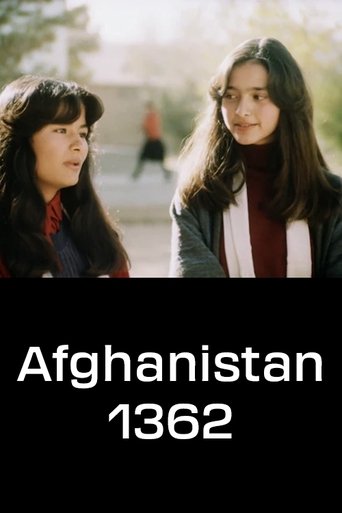
In December 1979, the Soviet Union invaded Afghanistan. Four years later—the Islamic calendar's year 1362—, director Volker Koepp visited Kabul and neighboring provinces. Koepp met a cross-section of people, such as soldiers, intellectuals, kids, and nomads, and with sensitive intensity told stories of their daily lives in the turmoil of an “undeclared war.” This travelogue, which was undertaken with the GDR’s consent, took a political risk because it expresses Koepp’s doubt that conflicts can be solved through military invention.
The story
In December 1979, the Soviet Union invaded Afghanistan. Four years later—the Islamic calendar's year 1362—, director Volker Koepp visited Kabul and neighboring provinces. Koepp met a cross-section of people, such as soldiers, intellectuals, kids, and nomads, and with sensitive intensity told stories of their daily lives in the turmoil of an “undeclared war.” This travelogue, which was undertaken with the GDR’s consent, took a political risk because it expresses Koepp’s doubt that conflicts can be solved through military invention.
Cast & crew
Cast information isn’t available yet.
Explore the crew
- Director
- Volker Koepp