
No community ratings yet on FilmStash · 0 membersOne score per member · Verified member ratings
The film is inspired by the terella—a small magnetized model ball representing the Earth, used by scientists since the late sixteenth century. Three centuries later, in the year of the birth of cinema, Norwegian physicist Kristian Birkeland used the terella to study the aurora borealis, while in the 1930s, Bertolt Brecht wrote in exile: “In the dark times / Will there also be singing? Yes, there will also be singing / About the dark times.” Resembling a terella, the dark planet depicted on the screen is surrounded by pulsating light, invoking both hope and despair.Read moreLess
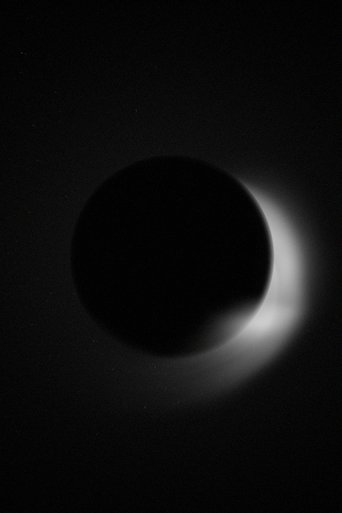
The film is inspired by the terella—a small magnetized model ball representing the Earth, used by scientists since the late sixteenth century. Three centuries later, in the year of the birth of cinema, Norwegian physicist Kristian Birkeland used the terella to study the aurora borealis, while in the 1930s, Bertolt Brecht wrote in exile: “In the dark times / Will there also be singing? Yes, there will also be singing / About the dark times.” Resembling a terella, the dark planet depicted on the screen is surrounded by pulsating light, invoking both hope and despair.
The story
The film is inspired by the terella—a small magnetized model ball representing the Earth, used by scientists since the late sixteenth century. Three centuries later, in the year of the birth of cinema, Norwegian physicist Kristian Birkeland used the terella to study the aurora borealis, while in the 1930s, Bertolt Brecht wrote in exile: “In the dark times / Will there also be singing? Yes, there will also be singing / About the dark times.” Resembling a terella, the dark planet depicted on the screen is surrounded by pulsating light, invoking both hope and despair.
Cast & crew
Cast information isn’t available yet.
Explore the crew
- Director
- Anouk de Clercq