
No community ratings yet on FilmStash · 0 membersOne score per member · Verified member ratings
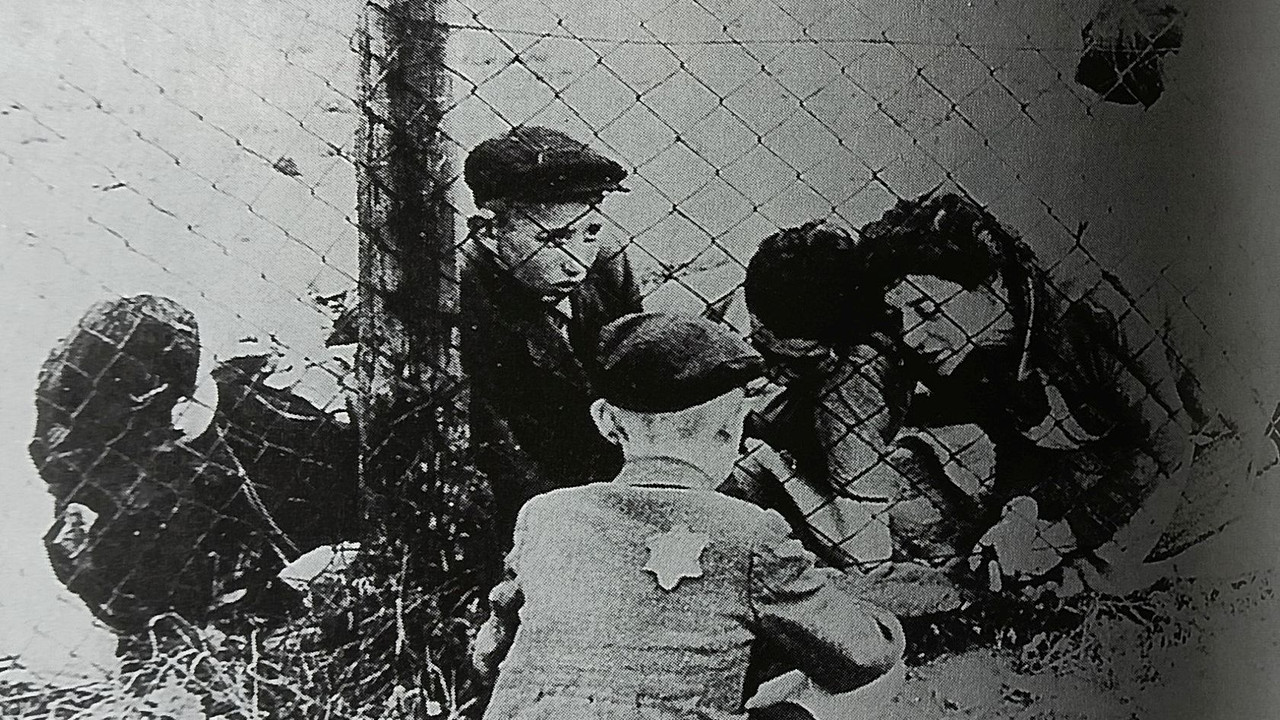
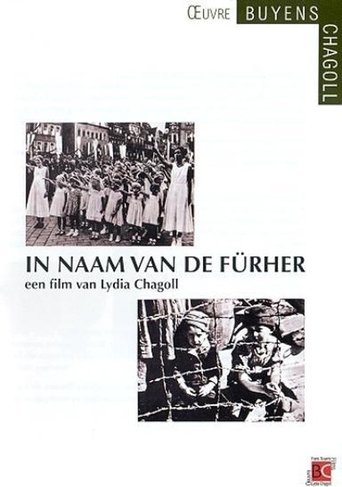
This film deals with the fate of children during the Second World War. The Nazis divided children into two categories: “the good ones,” the Aryan children, and “the bad ones,” the others. In the name of ultranationalism, Nazism, the theory of the Übermensch, and racism, Aryan children were mentally indoctrinated, while the others were imprisoned in camps and physically destroyed. These “others” were mainly children from non-Aryan and supposedly impure races: Jews, Poles, Russians, Yugoslavs, and Roma. For this film, Lydia Chagoll conducted research in World War II documentation centers, museums, and concentration camp archives in several countries, collecting texts, documents, and photographs. The film consists of a montage of photos and footage filmed by the Nazis themselves, accompanied by voice-over commentary based entirely on quotations from Nazi publications, laws, decrees, directives, newspapers, schoolbooks, reports, and political texts.Read moreLess
This film deals with the fate of children during the Second World War. The Nazis divided children into two categories: “the good ones,” the Aryan children, and “the bad ones,” the others. In the name of ultranationalism, Nazism, the theory of the Übermensch, and racism, Aryan children were mentally indoctrinated, while the others were imprisoned in camps and physically destroyed. These “others” were mainly children from non-Aryan and supposedly impure races: Jews, Poles, Russians, Yugoslavs, and Roma. For this film, Lydia Chagoll conducted research in World War II documentation centers, museums, and concentration camp archives in several countries, collecting texts, documents, and photographs. The film consists of a montage of photos and footage filmed by the Nazis themselves, accompanied by voice-over commentary based entirely on quotations from Nazi publications, laws, decrees, directives, newspapers, schoolbooks, reports, and political texts.
The story
This film deals with the fate of children during the Second World War. The Nazis divided children into two categories: “the good ones,” the Aryan children, and “the bad ones,” the others. In the name of ultranationalism, Nazism, the theory of the Übermensch, and racism, Aryan children were mentally indoctrinated, while the others were imprisoned in camps and physically destroyed. These “others” were mainly children from non-Aryan and supposedly impure races: Jews, Poles, Russians, Yugoslavs, and Roma. For this film, Lydia Chagoll conducted research in World War II documentation centers, museums, and concentration camp archives in several countries, collecting texts, documents, and photographs. The film consists of a montage of photos and footage filmed by the Nazis themselves, accompanied by voice-over commentary based entirely on quotations from Nazi publications, laws, decrees, directives, newspapers, schoolbooks, reports, and political texts.
Cast & crew
Cast information isn’t available yet.
Explore the crew
- Director
- Lydia Chagoll
- Writer
- Lydia Chagoll
- Writer
- Frans Buyens
- Director of Photography
- Fernand Tack
- Director of Photography
- André Goeffers
- Editor
- Lydia Chagoll
- Original Music Composer
- Arsène Souffriau