
No community ratings yet on FilmStash · 0 membersOne score per member · Verified member ratings
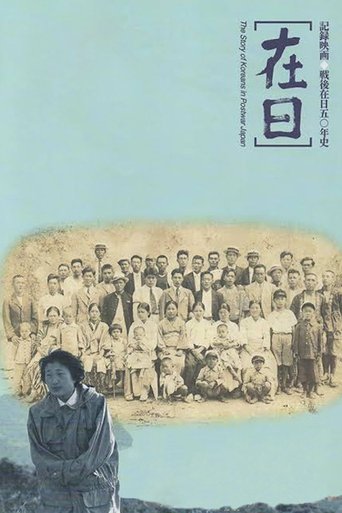
Portraying the fifty-year history of zainichi (long-term residents in Japan) Koreans after the liberation of Korea, traces of zainichi evoked in this film question the concepts of 'post-war democracy' and 'pacifism' in Japan. With copious stock footage and testimony, the first half of the film, "History," chronologically traces the various experiences of zainichi from Japan's defeat (Korean liberation) through 1990. The latter half, "People," focuses on first, second and third-generation zainichi respectively, vividly depicting how they live.Read moreLess
Portraying the fifty-year history of zainichi (long-term residents in Japan) Koreans after the liberation of Korea, traces of zainichi evoked in this film question the concepts of 'post-war democracy' and 'pacifism' in Japan. With copious stock footage and testimony, the first half of the film, "History," chronologically traces the various experiences of zainichi from Japan's defeat (Korean liberation) through 1990. The latter half, "People," focuses on first, second and third-generation zainichi respectively, vividly depicting how they live.
The story
Portraying the fifty-year history of zainichi (long-term residents in Japan) Koreans after the liberation of Korea, traces of zainichi evoked in this film question the concepts of 'post-war democracy' and 'pacifism' in Japan. With copious stock footage and testimony, the first half of the film, "History," chronologically traces the various experiences of zainichi from Japan's defeat (Korean liberation) through 1990. The latter half, "People," focuses on first, second and third-generation zainichi respectively, vividly depicting how they live.
Cast & crew
Cast information isn’t available yet.
Explore the crew
- Director
- Oh Deok-soo