
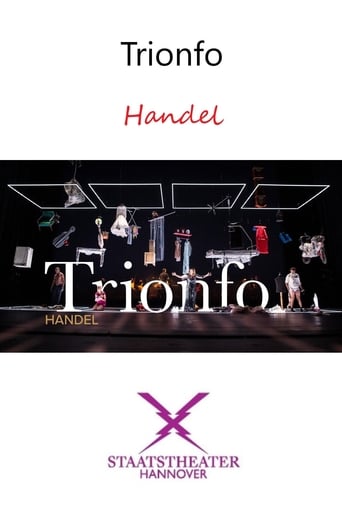
No community ratings yet on FilmStash · 0 membersOne score per member · Verified member ratings
In Handel's oratorio Il trionfo del tempo e del disinganno (1707), the desire to live is at odds with the realisation of one's own mortality. In his early masterpiece, the composer was able to open up clear emotional spaces to the simultaneity of the incompatible. What does it mean to be alive - and what does it mean to demand to be fulfilled with this life? And who am I when the mirror only gazes at me in silence? In Handel's music the questions begin to float.Read moreLess
In Handel's oratorio Il trionfo del tempo e del disinganno (1707), the desire to live is at odds with the realisation of one's own mortality. In his early masterpiece, the composer was able to open up clear emotional spaces to the simultaneity of the incompatible. What does it mean to be alive - and what does it mean to demand to be fulfilled with this life? And who am I when the mirror only gazes at me in silence? In Handel's music the questions begin to float.
The story
In Handel's oratorio Il trionfo del tempo e del disinganno (1707), the desire to live is at odds with the realisation of one's own mortality. In his early masterpiece, the composer was able to open up clear emotional spaces to the simultaneity of the incompatible. What does it mean to be alive - and what does it mean to demand to be fulfilled with this life? And who am I when the mirror only gazes at me in silence? In Handel's music the questions begin to float.
Watch trailerCast & crew
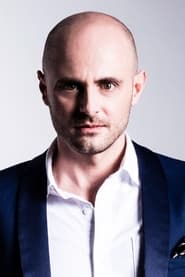 Nicholas TamagnaIl Disinganno
Explore the crew
- Director
- Elisabeth Stöppler
- Original Music Composer
- Georg Friedrich Händel
- Writer
- Benedetto Pamphili