
No community ratings yet on FilmStash · 0 membersOne score per member · Verified member ratings
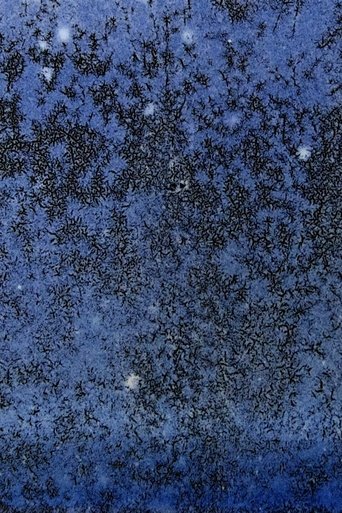
At Bologna’s Specola Tower, 1932–1957, an optical technology was invented which would revolutionize astronomy. The tower’s four floors were perforated and a series of hexagonal mirrors was installed at its base, creating a giant telescope of 2×24 meters. A mobile camera was set at right angles to the mirrors and thousands of glass plates where exposed which offered a systematic overview of the city’s zenithal sky. Thirty years of research were necessary for the astronomer Guido Horn D’Arturo to invent the specchio a tasselli—also called multimirror or segmented mirror—an archetype of today’s most advanced telescopes. Horn D’Arturo’s photographic plates are now also full of spots and traces of deteriorated emulsions. This film is composed of scans and blow-ups of these plates.Read moreLess
At Bologna’s Specola Tower, 1932–1957, an optical technology was invented which would revolutionize astronomy. The tower’s four floors were perforated and a series of hexagonal mirrors was installed at its base, creating a giant telescope of 2×24 meters. A mobile camera was set at right angles to the mirrors and thousands of glass plates where exposed which offered a systematic overview of the city’s zenithal sky. Thirty years of research were necessary for the astronomer Guido Horn D’Arturo to invent the specchio a tasselli—also called multimirror or segmented mirror—an archetype of today’s most advanced telescopes. Horn D’Arturo’s photographic plates are now also full of spots and traces of deteriorated emulsions. This film is composed of scans and blow-ups of these plates.
The story
At Bologna’s Specola Tower, 1932–1957, an optical technology was invented which would revolutionize astronomy. The tower’s four floors were perforated and a series of hexagonal mirrors was installed at its base, creating a giant telescope of 2×24 meters. A mobile camera was set at right angles to the mirrors and thousands of glass plates where exposed which offered a systematic overview of the city’s zenithal sky. Thirty years of research were necessary for the astronomer Guido Horn D’Arturo to invent the specchio a tasselli—also called multimirror or segmented mirror—an archetype of today’s most advanced telescopes. Horn D’Arturo’s photographic plates are now also full of spots and traces of deteriorated emulsions. This film is composed of scans and blow-ups of these plates.
Cast & crew
Cast information isn’t available yet.
Explore the crew
- Director
- Giuseppe Spina