
No community ratings yet on FilmStash · 0 membersOne score per member · Verified member ratings
In 1921, German philosopher Walter Benjamin purchased a painting Angelus Novus by the Swiss-German artist Paul Klee. Benjamin admired it and described it in detail in his essay “Theses on the Philosophy of History.” The picture portrays a restless angel who tasted reality. For a moment the angel freezes as if observing the inevitable turns of history. German director Eric Esser filmed at the Spanish-French border, which used to be a place of smuggling routes. It is across this border Walter Benjamin once escaped from the Nazis too.Read moreLess
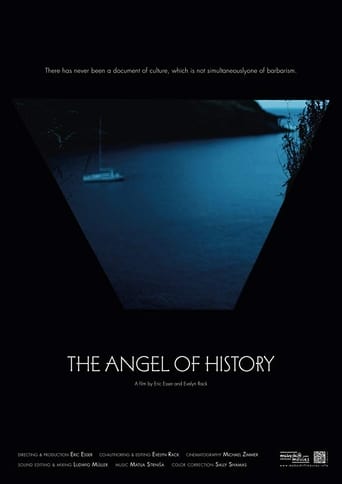
In 1921, German philosopher Walter Benjamin purchased a painting Angelus Novus by the Swiss-German artist Paul Klee. Benjamin admired it and described it in detail in his essay “Theses on the Philosophy of History.” The picture portrays a restless angel who tasted reality. For a moment the angel freezes as if observing the inevitable turns of history. German director Eric Esser filmed at the Spanish-French border, which used to be a place of smuggling routes. It is across this border Walter Benjamin once escaped from the Nazis too.
The story
In 1921, German philosopher Walter Benjamin purchased a painting Angelus Novus by the Swiss-German artist Paul Klee. Benjamin admired it and described it in detail in his essay “Theses on the Philosophy of History.” The picture portrays a restless angel who tasted reality. For a moment the angel freezes as if observing the inevitable turns of history. German director Eric Esser filmed at the Spanish-French border, which used to be a place of smuggling routes. It is across this border Walter Benjamin once escaped from the Nazis too.
Cast & crew
Cast information isn’t available yet.
Explore the crew
- Director
- Eric Esser
- Screenplay
- Eric Esser
- Editor
- Evelyn Rack