
No community ratings yet on FilmStash · 0 membersOne score per member · Verified member ratings
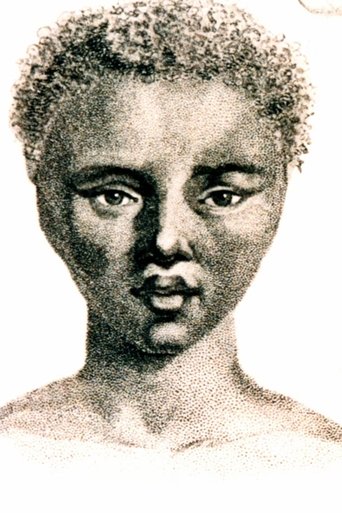
In 1810, 20 year old Sara Baartman got on a boat from Cape Town to London, unaware that she would never see her home again, or that she would become the icon of racial inferiority and black female sexuality for the next 100 years. Four years later, she became the object of scientific research that formed the bedrock of European ideas about BFS. She died the next year, but even after her death, Sara remained an object of imperialist scientific investigation. In the name of Science, her sexual organs and brain were preserved and displayed in the Musee de l'Homme in Paris until as recently as 1985. Using historical drawings, cartoons, legal documents, and interviews with noted cultural historians and anthropologists, this documentary deconstructs the social, political, scientific, and philosophical assumptions that transformed one young woman into a representation of savage sexuality and racial inferiority.Read moreLess
In 1810, 20 year old Sara Baartman got on a boat from Cape Town to London, unaware that she would never see her home again, or that she would become the icon of racial inferiority and black female sexuality for the next 100 years. Four years later, she became the object of scientific research that formed the bedrock of European ideas about BFS. She died the next year, but even after her death, Sara remained an object of imperialist scientific investigation. In the name of Science, her sexual organs and brain were preserved and displayed in the Musee de l'Homme in Paris until as recently as 1985. Using historical drawings, cartoons, legal documents, and interviews with noted cultural historians and anthropologists, this documentary deconstructs the social, political, scientific, and philosophical assumptions that transformed one young woman into a representation of savage sexuality and racial inferiority.
The story
In 1810, 20 year old Sara Baartman got on a boat from Cape Town to London, unaware that she would never see her home again, or that she would become the icon of racial inferiority and black female sexuality for the next 100 years. Four years later, she became the object of scientific research that formed the bedrock of European ideas about BFS. She died the next year, but even after her death, Sara remained an object of imperialist scientific investigation. In the name of Science, her sexual organs and brain were preserved and displayed in the Musee de l'Homme in Paris until as recently as 1985. Using historical drawings, cartoons, legal documents, and interviews with noted cultural historians and anthropologists, this documentary deconstructs the social, political, scientific, and philosophical assumptions that transformed one young woman into a representation of savage sexuality and racial inferiority.
Cast & crew
Explore the crew
- Director
- Zola Maseko
- Director of Photography
- Giulio Biccari
- Editor
- Lise Beaulieu