

No community ratings yet on FilmStash · 0 membersOne score per member · Verified member ratings
Conceived as a gift for Cécile Staehelin after the death of her husband Dieter, the film reflects on music as both memory and philosophy. Dieter speaks about sound as harmony, proportion, and inner life, while he and Cécile are seen performing Bohuslav Martinů’s Arabesque. Beavers punctuates their playing with luminous passages of white light, shaping an intimate portrait of friendship, loss, and the transcendent reach of music.Read moreLess
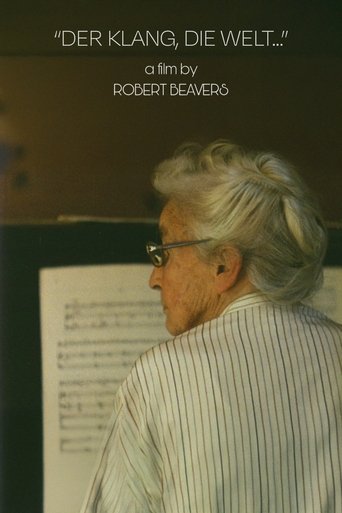
Conceived as a gift for Cécile Staehelin after the death of her husband Dieter, the film reflects on music as both memory and philosophy. Dieter speaks about sound as harmony, proportion, and inner life, while he and Cécile are seen performing Bohuslav Martinů’s Arabesque. Beavers punctuates their playing with luminous passages of white light, shaping an intimate portrait of friendship, loss, and the transcendent reach of music.
The story
Conceived as a gift for Cécile Staehelin after the death of her husband Dieter, the film reflects on music as both memory and philosophy. Dieter speaks about sound as harmony, proportion, and inner life, while he and Cécile are seen performing Bohuslav Martinů’s Arabesque. Beavers punctuates their playing with luminous passages of white light, shaping an intimate portrait of friendship, loss, and the transcendent reach of music.
Cast & crew
Explore the crew
- Director
- Robert Beavers