
No community ratings yet on FilmStash · 0 membersOne score per member · Verified member ratings
The ritual transmission of a military parade from Moscow’s Red Square: On every anniversary of the October Revolution, this was loyally broadcast by all the television stations in the so-called people’s democracies. In Robakowski’s work, this material is used to reconstruct and deconstruct public spectacle. The substitution of the original television commentary with a song sung in German by Laibach (a group from what was then Yugoslavia and is now Slovenia) removes the spectacle from its pompous temporal context and reveals the absolutism of its alluring power. The totalitarian display is in itself art – politically active art, the art of all-out pathos – even if we call it only “quote art unquote”.Read moreLess
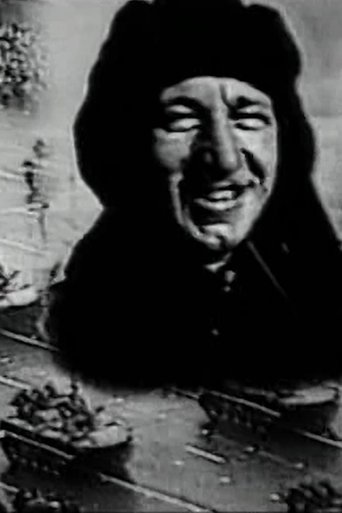
The ritual transmission of a military parade from Moscow’s Red Square: On every anniversary of the October Revolution, this was loyally broadcast by all the television stations in the so-called people’s democracies. In Robakowski’s work, this material is used to reconstruct and deconstruct public spectacle. The substitution of the original television commentary with a song sung in German by Laibach (a group from what was then Yugoslavia and is now Slovenia) removes the spectacle from its pompous temporal context and reveals the absolutism of its alluring power. The totalitarian display is in itself art – politically active art, the art of all-out pathos – even if we call it only “quote art unquote”.
The story
The ritual transmission of a military parade from Moscow’s Red Square: On every anniversary of the October Revolution, this was loyally broadcast by all the television stations in the so-called people’s democracies. In Robakowski’s work, this material is used to reconstruct and deconstruct public spectacle. The substitution of the original television commentary with a song sung in German by Laibach (a group from what was then Yugoslavia and is now Slovenia) removes the spectacle from its pompous temporal context and reveals the absolutism of its alluring power. The totalitarian display is in itself art – politically active art, the art of all-out pathos – even if we call it only “quote art unquote”.
Cast & crew
Cast information isn’t available yet.
Explore the crew
- Director
- Józef Robakowski