
No community ratings yet on FilmStash · 0 membersOne score per member · Verified member ratings
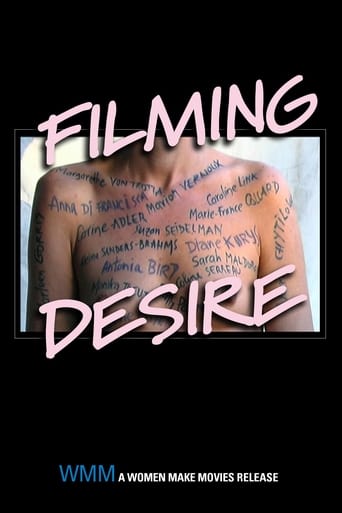
The film consists largely of a series of interviews with female filmmakers from several different countries and filmmaking eras. Some, such as Agnès Varda and Catherine Breillat (both from France), have been making films for decades in a conscious effort to provide an alternative to the male filmmaking model; others, such as Moufida Tlatli (Tunisia) and Carine Adler (England), are relative newcomers to directing, and their approaches seem more personal and less political. The film as a whole manages to cover some important topics in the feminist debate about film -- how does one construct a female gaze, how can one film nude bodies without objectifying the actors (of either sex), what constitutes a strong female role -- while also making it clear that “women’s film” comprises as many different approaches to filmmaking as there are female filmmakers.Read moreLess
The film consists largely of a series of interviews with female filmmakers from several different countries and filmmaking eras. Some, such as Agnès Varda and Catherine Breillat (both from France), have been making films for decades in a conscious effort to provide an alternative to the male filmmaking model; others, such as Moufida Tlatli (Tunisia) and Carine Adler (England), are relative newcomers to directing, and their approaches seem more personal and less political. The film as a whole manages to cover some important topics in the feminist debate about film -- how does one construct a female gaze, how can one film nude bodies without objectifying the actors (of either sex), what constitutes a strong female role -- while also making it clear that “women’s film” comprises as many different approaches to filmmaking as there are female filmmakers.
The story
The film consists largely of a series of interviews with female filmmakers from several different countries and filmmaking eras. Some, such as Agnès Varda and Catherine Breillat (both from France), have been making films for decades in a conscious effort to provide an alternative to the male filmmaking model; others, such as Moufida Tlatli (Tunisia) and Carine Adler (England), are relative newcomers to directing, and their approaches seem more personal and less political. The film as a whole manages to cover some important topics in the feminist debate about film -- how does one construct a female gaze, how can one film nude bodies without objectifying the actors (of either sex), what constitutes a strong female role -- while also making it clear that “women’s film” comprises as many different approaches to filmmaking as there are female filmmakers.
Cast & crew
 Agnès VardaSelf
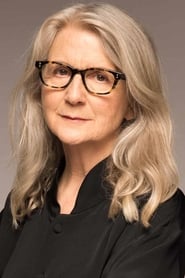 Sally PotterSelf
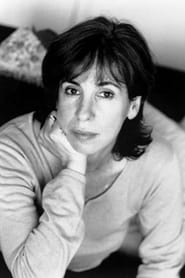 Carine AdlerSelf
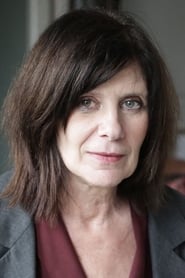 Catherine Breillat
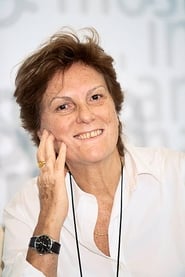 Liliana CavaniSelf
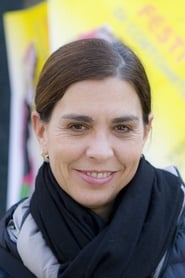 Francesca Comencini
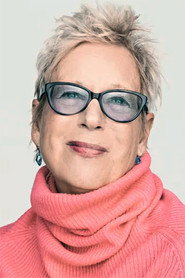 Doris DörrieSelf
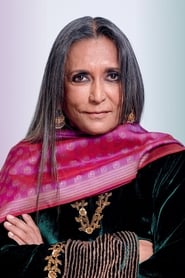 Deepa MehtaSelf
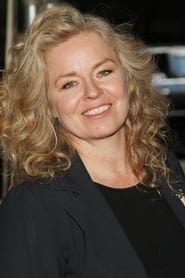 Patricia RozemaSelf
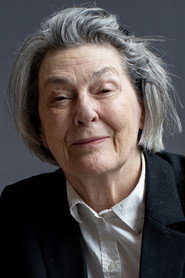 Paule Baillargeon
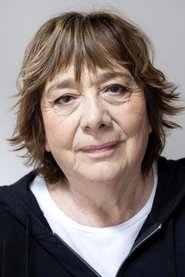 Léa PoolSelf
Explore the crew
- Director
- Marie Mandy
- Director of Photography
- Virginie Saint-Martin
- Original Music Composer
- Hélène Blazy
- Director of Photography
- Dominique Smersu
- Editor
- Dominique Lefever