
No community ratings yet on FilmStash · 0 membersOne score per member · Verified member ratings
Crime Blue Abyss Physical Remorse is inspired by the life and works of Amadeo de Souza-Cardoso. This controversial 20th century painter defied the world avant-garde of his time: “I don’t follow schools. I am an impressionist, cubist, futurist, abstractionist. A melting pot. The real tradition is not to try and relive the past – which is impossible to achieve – but rather something that sets up a follow-through, as happens with parents and children. A child and his father are never alike.” The film follows Amadeo’s motto. It crosses pictorial fiction – suggested by the emblematic picture “The Procession”, painted in Paris in 1913 – with Portuguese contemporary reality.Read moreLess
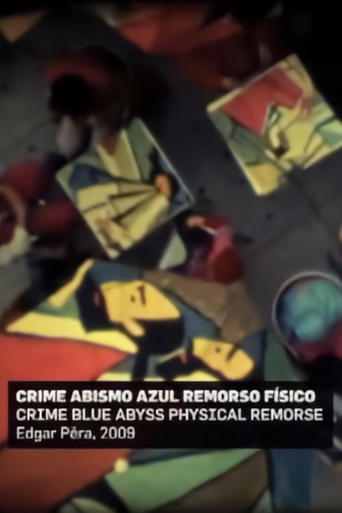
Crime Blue Abyss Physical Remorse is inspired by the life and works of Amadeo de Souza-Cardoso. This controversial 20th century painter defied the world avant-garde of his time: “I don’t follow schools. I am an impressionist, cubist, futurist, abstractionist. A melting pot. The real tradition is not to try and relive the past – which is impossible to achieve – but rather something that sets up a follow-through, as happens with parents and children. A child and his father are never alike.” The film follows Amadeo’s motto. It crosses pictorial fiction – suggested by the emblematic picture “The Procession”, painted in Paris in 1913 – with Portuguese contemporary reality.
The story
Crime Blue Abyss Physical Remorse is inspired by the life and works of Amadeo de Souza-Cardoso. This controversial 20th century painter defied the world avant-garde of his time: “I don’t follow schools. I am an impressionist, cubist, futurist, abstractionist. A melting pot. The real tradition is not to try and relive the past – which is impossible to achieve – but rather something that sets up a follow-through, as happens with parents and children. A child and his father are never alike.” The film follows Amadeo’s motto. It crosses pictorial fiction – suggested by the emblematic picture “The Procession”, painted in Paris in 1913 – with Portuguese contemporary reality.
Cast & crew
 Joana Amaral Dias
 Nuno Melo
 Valdemar Santos
Explore the crew
- Director of Photography
- Jorge Quintela
- Editor
- Edgar Pêra
- Director
- Edgar Pêra
- Producer
- João Trabulo