

No community ratings yet on FilmStash · 0 membersOne score per member · Verified member ratings
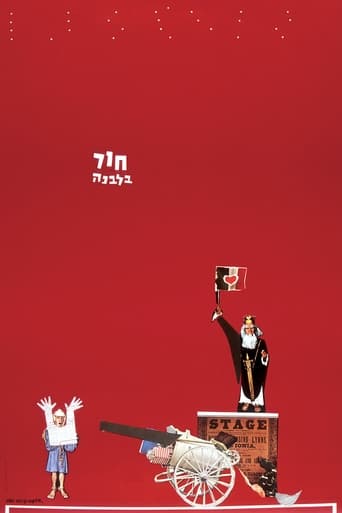
A comic and episodic satire, the film uses improvisation to illustrate the clash between fantasy and reality in real life. Although conceived in the style of Mekas’ “Hallelujah the hills” (1962), it’s an authentically Israeli satire, an openly rebellious and individualistic expression that poked fun at the sacred myths of earlier zionist films. The technique of film within the film is used to portray cinema as reflection of the imagination, a miracle based on dreams and fantasies that take on concrete characteristics – parallel to the miracle of Israel, the dream that has become reality. Although not a commercial success, its importance is beyond any measure, though it remains a unique experiment, boldly uncommercial and subversive, out of any context in that patriotic, ideological epoch.Read moreLess
A comic and episodic satire, the film uses improvisation to illustrate the clash between fantasy and reality in real life. Although conceived in the style of Mekas’ “Hallelujah the hills” (1962), it’s an authentically Israeli satire, an openly rebellious and individualistic expression that poked fun at the sacred myths of earlier zionist films. The technique of film within the film is used to portray cinema as reflection of the imagination, a miracle based on dreams and fantasies that take on concrete characteristics – parallel to the miracle of Israel, the dream that has become reality. Although not a commercial success, its importance is beyond any measure, though it remains a unique experiment, boldly uncommercial and subversive, out of any context in that patriotic, ideological epoch.
The story
A comic and episodic satire, the film uses improvisation to illustrate the clash between fantasy and reality in real life. Although conceived in the style of Mekas’ “Hallelujah the hills” (1962), it’s an authentically Israeli satire, an openly rebellious and individualistic expression that poked fun at the sacred myths of earlier zionist films. The technique of film within the film is used to portray cinema as reflection of the imagination, a miracle based on dreams and fantasies that take on concrete characteristics – parallel to the miracle of Israel, the dream that has become reality. Although not a commercial success, its importance is beyond any measure, though it remains a unique experiment, boldly uncommercial and subversive, out of any context in that patriotic, ideological epoch.
Cast & crew
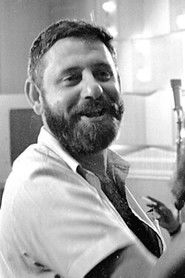 Uri ZoharCast
 Arik LavieCast
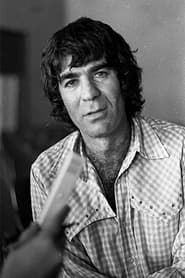 Shmulik KrausCast
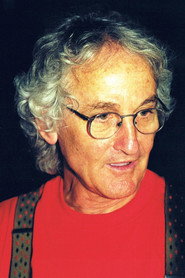 Israel GurionCast
 Shaike OphirCast
 Shoshik ShaniCast
 Avraham HeffnerCast
 Shoshana Shani-Lavie
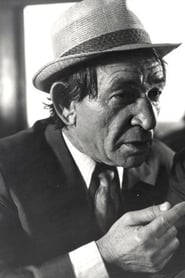 Zeev BerlinskyCast
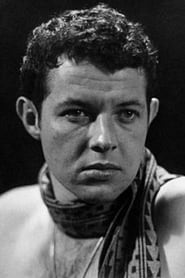 Dahn Ben AmotzCast
Explore the crew
- Writer
- Amos Kenan
- Director
- Uri Zohar
- Producer
- Mordecai Navon
- Producer
- Avraham Deshe
- Director of Photography
- David Gurfinkel
- Original Music Composer
- Michel Colombier