
No community ratings yet on FilmStash · 0 membersOne score per member · Verified member ratings
Erik Reger’s roman à clef examines the development of the Rhineland industrial region from 1918 to 1928, using the Risch-Zander steelworks as a case study: Strikes, the Emperor’s visit, revolution, workers’ and soldiers’ councils, the occupation of the Ruhr, the fighting following the Kapp Putsch, and inflation characterize the desperate situation of the industrial proletariat. The content cannot be retold: it is not about individuals, but at best about sociologically balanced specimens of a species. It is about the sociocultural complex of the Ruhr region, about heavy industry as its organizing center; it is about those involved, from the laborers to the managers; and finally, about the political parties, from the KPD to the NSDAP.Read moreLess
Erik Reger’s roman à clef examines the development of the Rhineland industrial region from 1918 to 1928, using the Risch-Zander steelworks as a case study: Strikes, the Emperor’s visit, revolution, workers’ and soldiers’ councils, the occupation of the Ruhr, the fighting following the Kapp Putsch, and inflation characterize the desperate situation of the industrial proletariat. The content cannot be retold: it is not about individuals, but at best about sociologically balanced specimens of a species. It is about the sociocultural complex of the Ruhr region, about heavy industry as its organizing center; it is about those involved, from the laborers to the managers; and finally, about the political parties, from the KPD to the NSDAP.
The story
Erik Reger’s roman à clef examines the development of the Rhineland industrial region from 1918 to 1928, using the Risch-Zander steelworks as a case study: Strikes, the Emperor’s visit, revolution, workers’ and soldiers’ councils, the occupation of the Ruhr, the fighting following the Kapp Putsch, and inflation characterize the desperate situation of the industrial proletariat. The content cannot be retold: it is not about individuals, but at best about sociologically balanced specimens of a species. It is about the sociocultural complex of the Ruhr region, about heavy industry as its organizing center; it is about those involved, from the laborers to the managers; and finally, about the political parties, from the KPD to the NSDAP.
Cast & crew
 Dieter LaserAdam Griguszies
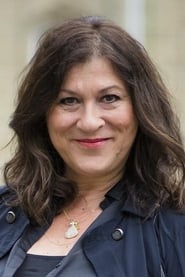 Eva MattesPaula Griguszies
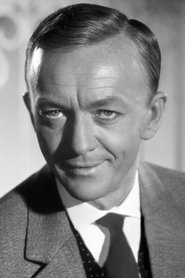 Hannes Messemervon Zander
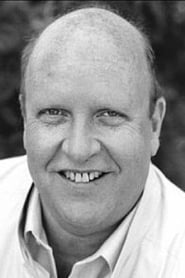 Gert HauckeCast
 Edith Schultze-WestrumElla Risch
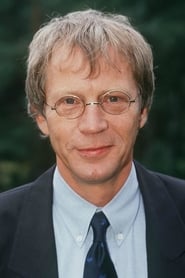 Gernot EndemannCast
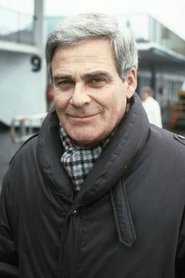 Karl-Heinz Vosgerau
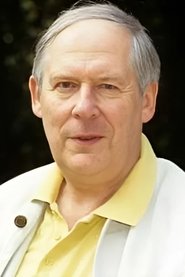 Klaus HermCast
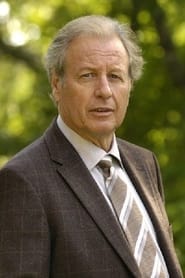 Gerhart LippertCast
 Dietmar MuesCast
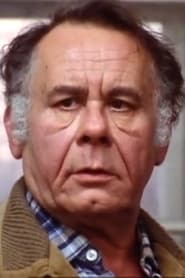 Hans Helmut Dickow
Explore the crew
- Director
- Claus Peter Witt