
No community ratings yet on FilmStash · 0 membersOne score per member · Verified member ratings
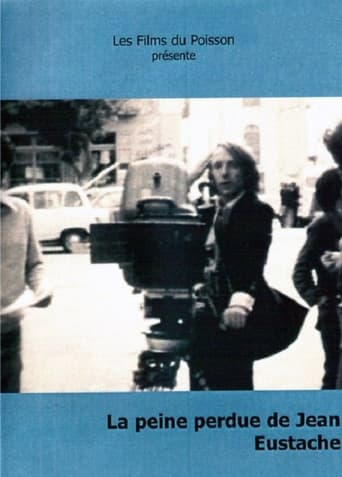
Ángel Díaz’s documentary The Lost Sorrows of Jean Eustache, concentrates on Eustache as cinematic thinker and archivist of his own life. Actors read texts written by Eustache, including the following reflection: “The role of the author in cinema should be one of non-intervention.” This sentence reminds us that he belongs to the greatest of film traditions (he cites Griffith, Renoir, Dreyer, and Lang as his models), the one that sees cinema as a matter of placing the camera in front of reality and capturing it ardently, precisely, and without tricks.Read moreLess
Ángel Díaz’s documentary The Lost Sorrows of Jean Eustache, concentrates on Eustache as cinematic thinker and archivist of his own life. Actors read texts written by Eustache, including the following reflection: “The role of the author in cinema should be one of non-intervention.” This sentence reminds us that he belongs to the greatest of film traditions (he cites Griffith, Renoir, Dreyer, and Lang as his models), the one that sees cinema as a matter of placing the camera in front of reality and capturing it ardently, precisely, and without tricks.
The story
Ángel Díaz’s documentary The Lost Sorrows of Jean Eustache, concentrates on Eustache as cinematic thinker and archivist of his own life. Actors read texts written by Eustache, including the following reflection: “The role of the author in cinema should be one of non-intervention.” This sentence reminds us that he belongs to the greatest of film traditions (he cites Griffith, Renoir, Dreyer, and Lang as his models), the one that sees cinema as a matter of placing the camera in front of reality and capturing it ardently, precisely, and without tricks.
Cast & crew
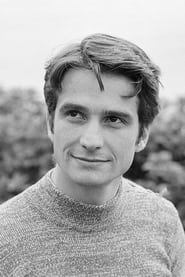 Jean-Pierre Léaud
 Françoise LebrunSelf
 Boris EustacheSelf
 Jean EustacheSelf (archival footage)
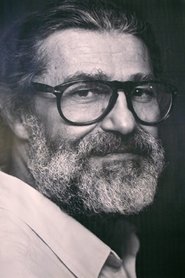 Jean-Pierre Ruh(voice)
Explore the crew
- Director
- Angel Díez
- Editor
- Yvan Gaillard
- Screenplay
- Angel Díez
- Producer
- Yaël Fogiel