
No community ratings yet on FilmStash · 0 membersOne score per member · Verified member ratings
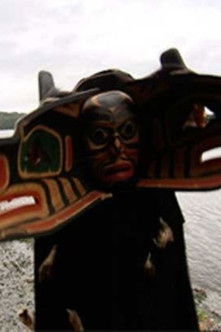
In Kwakwaka’wakw society in British Columbia, masks form part of the symbolic heritage of nobles and chiefs. The mask shown here, a late 19th-century transformation mask carved from cedar and taken from the Musée de l’Homme, expresses duality: closed, it is a crow; open, a human face with a hooked nose. These ancestral objects, manifestations of spirits, accompany myths, dances, and costumes, appearing in ceremonies and potlatches, gatherings where privileges are transmitted. Long suppressed, Amerindian culture was rediscovered by ethnologists E. Curtis and F. Boas, and later by surrealists and Claude Lévi-Strauss in exile in New York during the 1940s. Bill Holm, an expert in Indigenous art, analyses the mask’s form. A sculptor evokes the recurring egg shape, basis of all creation, while a dancer recounts the legend of the crow that brought the tlasala, the dance of peace.Read moreLess
In Kwakwaka’wakw society in British Columbia, masks form part of the symbolic heritage of nobles and chiefs. The mask shown here, a late 19th-century transformation mask carved from cedar and taken from the Musée de l’Homme, expresses duality: closed, it is a crow; open, a human face with a hooked nose. These ancestral objects, manifestations of spirits, accompany myths, dances, and costumes, appearing in ceremonies and potlatches, gatherings where privileges are transmitted. Long suppressed, Amerindian culture was rediscovered by ethnologists E. Curtis and F. Boas, and later by surrealists and Claude Lévi-Strauss in exile in New York during the 1940s. Bill Holm, an expert in Indigenous art, analyses the mask’s form. A sculptor evokes the recurring egg shape, basis of all creation, while a dancer recounts the legend of the crow that brought the tlasala, the dance of peace.
The story
In Kwakwaka’wakw society in British Columbia, masks form part of the symbolic heritage of nobles and chiefs. The mask shown here, a late 19th-century transformation mask carved from cedar and taken from the Musée de l’Homme, expresses duality: closed, it is a crow; open, a human face with a hooked nose. These ancestral objects, manifestations of spirits, accompany myths, dances, and costumes, appearing in ceremonies and potlatches, gatherings where privileges are transmitted. Long suppressed, Amerindian culture was rediscovered by ethnologists E. Curtis and F. Boas, and later by surrealists and Claude Lévi-Strauss in exile in New York during the 1940s. Bill Holm, an expert in Indigenous art, analyses the mask’s form. A sculptor evokes the recurring egg shape, basis of all creation, while a dancer recounts the legend of the crow that brought the tlasala, the dance of peace.
Cast & crew
Cast information isn’t available yet.
Explore the crew
- Director
- Marie-Dominique Dhelsing