
No community ratings yet on FilmStash · 0 membersOne score per member · Verified member ratings
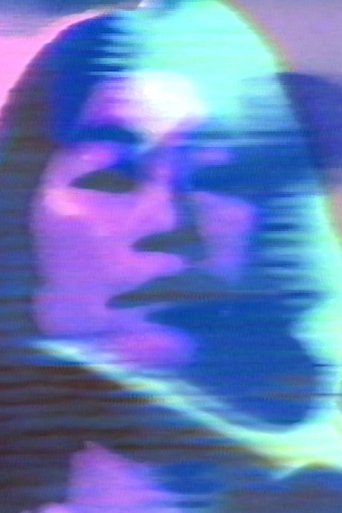
Access to video technology had largely been limited to corporate-run TV studios until the Sony Portapak, a battery-powered video tape recorder that could be carried by one person, was popularized in the early 1970s. This device also allowed artists to see what they were recording in real time and to immediately play it back, prompting investigations of technology’s increasingly fluid relationship to the body, language, and time itself. Shigeko Kubota’s ”Self-Portrait” embodied the boundless potential of the new medium and the freedom from precedent it represented. This work, in which Kubota interacts with her own image, contains some of her earliest known experimentation with video. Here, she used new tools to manipulate the electronic signal, creating previously unimaginable colors and patterns, and unraveling established conventions of image-making right before our eyes. [Overview courtesy of Erica Papernik-Shimizu via MoMA]Read moreLess
Access to video technology had largely been limited to corporate-run TV studios until the Sony Portapak, a battery-powered video tape recorder that could be carried by one person, was popularized in the early 1970s. This device also allowed artists to see what they were recording in real time and to immediately play it back, prompting investigations of technology’s increasingly fluid relationship to the body, language, and time itself. Shigeko Kubota’s ”Self-Portrait” embodied the boundless potential of the new medium and the freedom from precedent it represented. This work, in which Kubota interacts with her own image, contains some of her earliest known experimentation with video. Here, she used new tools to manipulate the electronic signal, creating previously unimaginable colors and patterns, and unraveling established conventions of image-making right before our eyes. [Overview courtesy of Erica Papernik-Shimizu via MoMA]
The story
Access to video technology had largely been limited to corporate-run TV studios until the Sony Portapak, a battery-powered video tape recorder that could be carried by one person, was popularized in the early 1970s. This device also allowed artists to see what they were recording in real time and to immediately play it back, prompting investigations of technology’s increasingly fluid relationship to the body, language, and time itself. Shigeko Kubota’s ”Self-Portrait” embodied the boundless potential of the new medium and the freedom from precedent it represented. This work, in which Kubota interacts with her own image, contains some of her earliest known experimentation with video. Here, she used new tools to manipulate the electronic signal, creating previously unimaginable colors and patterns, and unraveling established conventions of image-making right before our eyes. [Overview courtesy of Erica Papernik-Shimizu via MoMA]
Cast & crew
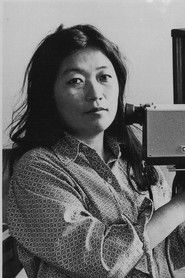 Shigeko KubotaSelf
Explore the crew
- Director
- Shigeko Kubota