

No community ratings yet on FilmStash · 0 membersOne score per member · Verified member ratings
Inspired by Flaubert’s Madame Bovary, Sokurov’s Save and Protect recalls the most crucial events of Emma’s decline and fall: affairs with the aristocratic Rodolphe and the student Leon, the humiliation that follows her husband’s botching of the operation on the stable boy’s clubfoot. The universality of the theme of eternal struggle between the soul and the flesh is conveyed through the absence of specific reference to time or place: although the film seems to begin in 1840, its surreal mode effortlessly accommodates an automobile and the strains of “When the Saints Go Marching In” on an off-screen radio. Focusing on passion from a woman’s perspective and downplaying plot, Sokurov explores his subject in exquisite detail, capturing not only the heat of passion but also the quiet moments before and after and the innocent sensuousness of the body.Read moreLess
Inspired by Flaubert’s Madame Bovary, Sokurov’s Save and Protect recalls the most crucial events of Emma’s decline and fall: affairs with the aristocratic Rodolphe and the student Leon, the humiliation that follows her husband’s botching of the operation on the stable boy’s clubfoot. The universality of the theme of eternal struggle between the soul and the flesh is conveyed through the absence of specific reference to time or place: although the film seems to begin in 1840, its surreal mode effortlessly accommodates an automobile and the strains of “When the Saints Go Marching In” on an off-screen radio. Focusing on passion from a woman’s perspective and downplaying plot, Sokurov explores his subject in exquisite detail, capturing not only the heat of passion but also the quiet moments before and after and the innocent sensuousness of the body.
The story
Inspired by Flaubert’s Madame Bovary, Sokurov’s Save and Protect recalls the most crucial events of Emma’s decline and fall: affairs with the aristocratic Rodolphe and the student Leon, the humiliation that follows her husband’s botching of the operation on the stable boy’s clubfoot. The universality of the theme of eternal struggle between the soul and the flesh is conveyed through the absence of specific reference to time or place: although the film seems to begin in 1840, its surreal mode effortlessly accommodates an automobile and the strains of “When the Saints Go Marching In” on an off-screen radio. Focusing on passion from a woman’s perspective and downplaying plot, Sokurov explores his subject in exquisite detail, capturing not only the heat of passion but also the quiet moments before and after and the innocent sensuousness of the body.
Cast & crew
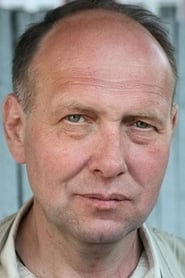 Robert VaabCast
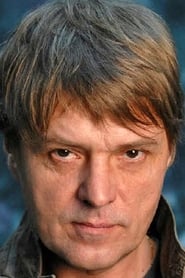 Aleksandr Cherednik
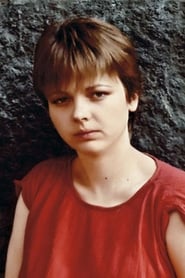 Dariya Shpalikova
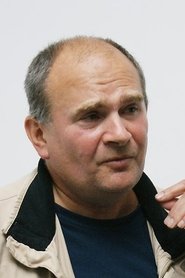 Evgeny YufitCast
 Igor BezrukovCast
 Sergey VinokurovCast
 Pavel FetisovCast
Explore the crew
- Editor
- Leda Semyonova
- Original Music Composer
- Yuri Khanon
- Director
- Aleksandr Sokurov
- Screenplay
- Yuriy Arabov
- Director of Photography
- Sergey Yurizditskiy