
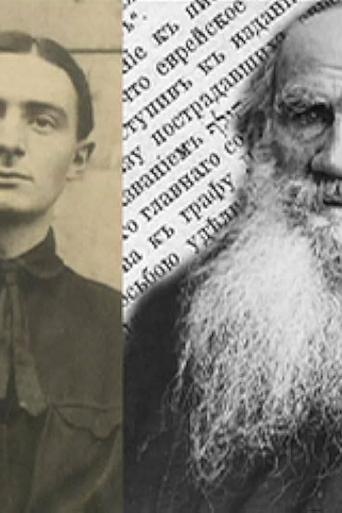
Leo Tolstoy and Dziga Vertov: A Double Portrait in the Interior of the Epoch
Directed by Galina Evtushenko, Anna Evtushenko
No community ratings yet on FilmStash · 0 membersOne score per member · Verified member ratings
In the year of Leo Tolstoy's death, Dziga Vertov, an unknown boy from Bialystok, was 14 years old. The elder of Yasnaya Polyana could not know either the name or the work of the documentary filmmaker, the founder of non-fiction cinema as a high art. However, the film is structured as a parallel movement of creative aspirations, views and biographies of two artists. In his best paintings ("Kinoglaz", "Man with a Movie Camera", "Symphony of Donbass" and others), Vertov followed the basic aesthetic principles of Tolstoy, supported and developed the traditions of Russian classical literature on the screen. One of the main episodes of the film is a screen story about the Moscow agricultural exhibition of 1923, which reveals the common focus of the writer and director's efforts.Read moreLess
In the year of Leo Tolstoy's death, Dziga Vertov, an unknown boy from Bialystok, was 14 years old. The elder of Yasnaya Polyana could not know either the name or the work of the documentary filmmaker, the founder of non-fiction cinema as a high art. However, the film is structured as a parallel movement of creative aspirations, views and biographies of two artists. In his best paintings ("Kinoglaz", "Man with a Movie Camera", "Symphony of Donbass" and others), Vertov followed the basic aesthetic principles of Tolstoy, supported and developed the traditions of Russian classical literature on the screen. One of the main episodes of the film is a screen story about the Moscow agricultural exhibition of 1923, which reveals the common focus of the writer and director's efforts.
The story
In the year of Leo Tolstoy's death, Dziga Vertov, an unknown boy from Bialystok, was 14 years old. The elder of Yasnaya Polyana could not know either the name or the work of the documentary filmmaker, the founder of non-fiction cinema as a high art. However, the film is structured as a parallel movement of creative aspirations, views and biographies of two artists. In his best paintings ("Kinoglaz", "Man with a Movie Camera", "Symphony of Donbass" and others), Vertov followed the basic aesthetic principles of Tolstoy, supported and developed the traditions of Russian classical literature on the screen. One of the main episodes of the film is a screen story about the Moscow agricultural exhibition of 1923, which reveals the common focus of the writer and director's efforts.
Cast & crew
Cast information isn’t available yet.
Explore the crew
- Director
- Galina Evtushenko
- Director
- Anna Evtushenko