
No community ratings yet on FilmStash · 0 membersOne score per member · Verified member ratings
When this film reached the editing table, the British newspaper The Guardian, which reaches thirty million readers, featured an article by renowned chess writer Leonard Barden, “Pride of Estonia: Paul Keres, one of the best to never hold chess world crown”. “Keres became a national hero for Estonians,” writes Leonard Barden, who believed that the Soviet authorities forced him to play badly at the 1948 World Championship tournament. Most of the professionals who appear in the film also agree with the theory that Paul Keres was influenced by the Soviet authorities. But some disagree.Read moreLess
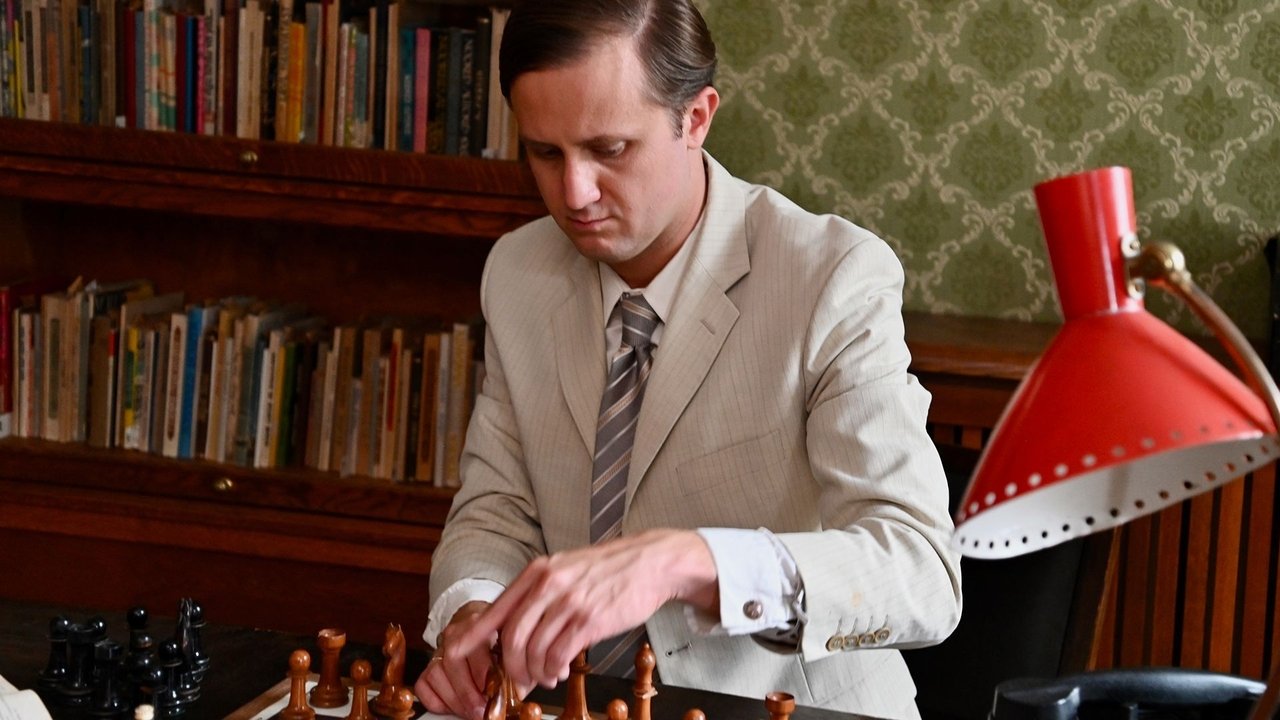
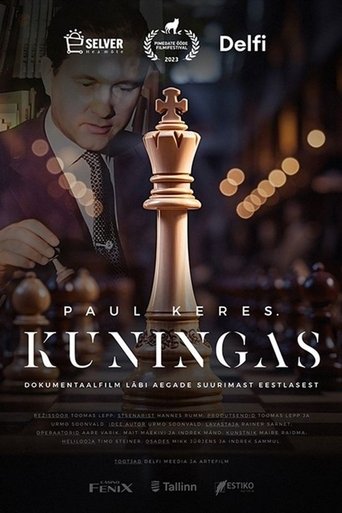
When this film reached the editing table, the British newspaper The Guardian, which reaches thirty million readers, featured an article by renowned chess writer Leonard Barden, “Pride of Estonia: Paul Keres, one of the best to never hold chess world crown”. “Keres became a national hero for Estonians,” writes Leonard Barden, who believed that the Soviet authorities forced him to play badly at the 1948 World Championship tournament. Most of the professionals who appear in the film also agree with the theory that Paul Keres was influenced by the Soviet authorities. But some disagree.
The story
When this film reached the editing table, the British newspaper The Guardian, which reaches thirty million readers, featured an article by renowned chess writer Leonard Barden, “Pride of Estonia: Paul Keres, one of the best to never hold chess world crown”. “Keres became a national hero for Estonians,” writes Leonard Barden, who believed that the Soviet authorities forced him to play badly at the 1948 World Championship tournament. Most of the professionals who appear in the film also agree with the theory that Paul Keres was influenced by the Soviet authorities. But some disagree.
Cast & crew
Cast information isn’t available yet.
Explore the crew
- Director
- Toomas Lepp