

No community ratings yet on FilmStash · 0 membersOne score per member · Verified member ratings
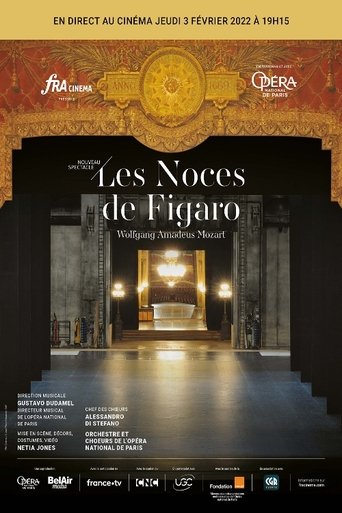
The Marriage of Figaro is one of the most emblematic operas in the repertoire. Brahms spoke of it as a “miracle” and the Countess' complaint still resonates today as one of the most heartbreaking musical pages. It was by resuming Beaumarchais' comedy, which caused a scandal in Parisian society, that Mozart and his librettist Da Ponte began their first collaboration. The play was banned by Joseph II in 1785 at the Vienna Theater. Is it because it exposed too much to the forefront the contradictions of an already faltering regime, ready to collapse with the French Revolution? Netia Jones preserves the very essence of Beaumarchais' play by questioning human relationships with humor but not without mischief, in a production which confuses reality and fiction to the point of asking, like the Count: "Are we playing a comedy?" »Read moreLess
The Marriage of Figaro is one of the most emblematic operas in the repertoire. Brahms spoke of it as a “miracle” and the Countess' complaint still resonates today as one of the most heartbreaking musical pages. It was by resuming Beaumarchais' comedy, which caused a scandal in Parisian society, that Mozart and his librettist Da Ponte began their first collaboration. The play was banned by Joseph II in 1785 at the Vienna Theater. Is it because it exposed too much to the forefront the contradictions of an already faltering regime, ready to collapse with the French Revolution? Netia Jones preserves the very essence of Beaumarchais' play by questioning human relationships with humor but not without mischief, in a production which confuses reality and fiction to the point of asking, like the Count: "Are we playing a comedy?" »
The story
The Marriage of Figaro is one of the most emblematic operas in the repertoire. Brahms spoke of it as a “miracle” and the Countess' complaint still resonates today as one of the most heartbreaking musical pages. It was by resuming Beaumarchais' comedy, which caused a scandal in Parisian society, that Mozart and his librettist Da Ponte began their first collaboration. The play was banned by Joseph II in 1785 at the Vienna Theater. Is it because it exposed too much to the forefront the contradictions of an already faltering regime, ready to collapse with the French Revolution? Netia Jones preserves the very essence of Beaumarchais' play by questioning human relationships with humor but not without mischief, in a production which confuses reality and fiction to the point of asking, like the Count: "Are we playing a comedy?" »
Cast & crew
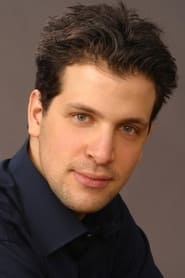 Luca PisaroniFigaro
 James CreswellBartolo
 Ying FangSusanna
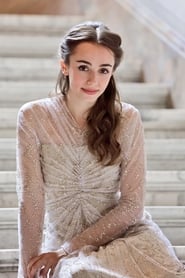 Lea DesandreCherubin
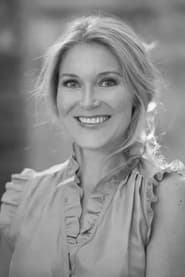 Maria BengtssonComtesse Almaviva
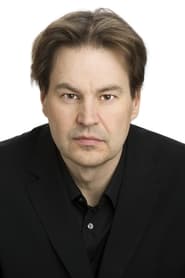 Peter MatteiComte Almaviva
 Dorothea RöschmannMarceline
 Miah PerssonComtesse Almaviva
Explore the crew
- Writer
- Lorenzo da Ponte
- Director
- Netia Jones