
No community ratings yet on FilmStash · 0 membersOne score per member · Verified member ratings
The film begins with two symbolic scenes: an eagle fluttering in a cage. Cossacks cut down pine trees with sabers to clear the field of fire. It is June 1980. A large rubbish dump near Wólka Węglowa, exactly where Polish cavalrymen charged German troops in 1939. Not far away is the Warsaw Steelworks. A group of former cavalrymen renew their efforts to erect a monument to the Polish cavalry. The cavalrymen stage a reenactment of the charge; it is a commented reconstruction of those events, supported by film documents. A strike breaks out on the coast, then at the Warsaw Steelworks. On radio and television, editor Ryszard Wojna warns the public against a repeat of the events of 1863. This has no effect on the workers' decision. A strike committee is formed at the steelworks, and the workers formulate their demands. The scenes at the steelworks and the strike situations are filmed live.Read moreLess
The film begins with two symbolic scenes: an eagle fluttering in a cage. Cossacks cut down pine trees with sabers to clear the field of fire. It is June 1980. A large rubbish dump near Wólka Węglowa, exactly where Polish cavalrymen charged German troops in 1939. Not far away is the Warsaw Steelworks. A group of former cavalrymen renew their efforts to erect a monument to the Polish cavalry. The cavalrymen stage a reenactment of the charge; it is a commented reconstruction of those events, supported by film documents. A strike breaks out on the coast, then at the Warsaw Steelworks. On radio and television, editor Ryszard Wojna warns the public against a repeat of the events of 1863. This has no effect on the workers' decision. A strike committee is formed at the steelworks, and the workers formulate their demands. The scenes at the steelworks and the strike situations are filmed live.
The story
The film begins with two symbolic scenes: an eagle fluttering in a cage. Cossacks cut down pine trees with sabers to clear the field of fire. It is June 1980. A large rubbish dump near Wólka Węglowa, exactly where Polish cavalrymen charged German troops in 1939. Not far away is the Warsaw Steelworks. A group of former cavalrymen renew their efforts to erect a monument to the Polish cavalry. The cavalrymen stage a reenactment of the charge; it is a commented reconstruction of those events, supported by film documents. A strike breaks out on the coast, then at the Warsaw Steelworks. On radio and television, editor Ryszard Wojna warns the public against a repeat of the events of 1863. This has no effect on the workers' decision. A strike committee is formed at the steelworks, and the workers formulate their demands. The scenes at the steelworks and the strike situations are filmed live.
Cast & crew
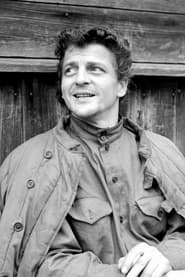 Gabriel Nehrebeckiporucznik Marian Walicki
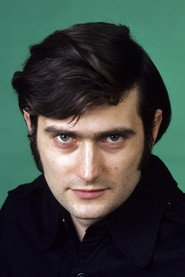 Olgierd Łukaszewiczlektor przy apelu poległych
Explore the crew
- Director
- Krzysztof Wojciechowski
- Screenplay
- Krzysztof Wojciechowski
- Editor
- Łucja Ośko