
No community ratings yet on FilmStash · 0 membersOne score per member · Verified member ratings
In reframing and re-editing existing ethnographic films, Tan exposes their anthropological underpinnings and questions the conventions of filmmaking. What is the relationship between the observer and the observed? How can one ever know another? The voice-over, a fictional dialogue taken from Italo Calvino’s Invisible Cities, may offer an answer. The explorer Marco Polo and Emperor Kublai Khan are speaking about travel and looking back on the past, when Polo observes, “The traveler recognises the little that is his, discovering the much he has not had and will never have.”Read moreLess
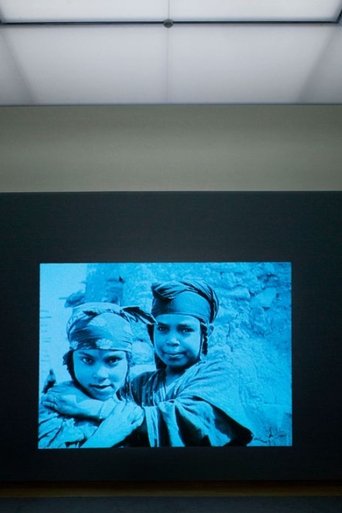
In reframing and re-editing existing ethnographic films, Tan exposes their anthropological underpinnings and questions the conventions of filmmaking. What is the relationship between the observer and the observed? How can one ever know another? The voice-over, a fictional dialogue taken from Italo Calvino’s Invisible Cities, may offer an answer. The explorer Marco Polo and Emperor Kublai Khan are speaking about travel and looking back on the past, when Polo observes, “The traveler recognises the little that is his, discovering the much he has not had and will never have.”
The story
In reframing and re-editing existing ethnographic films, Tan exposes their anthropological underpinnings and questions the conventions of filmmaking. What is the relationship between the observer and the observed? How can one ever know another? The voice-over, a fictional dialogue taken from Italo Calvino’s Invisible Cities, may offer an answer. The explorer Marco Polo and Emperor Kublai Khan are speaking about travel and looking back on the past, when Polo observes, “The traveler recognises the little that is his, discovering the much he has not had and will never have.”