

No community ratings yet on FilmStash · 0 membersOne score per member · Verified member ratings
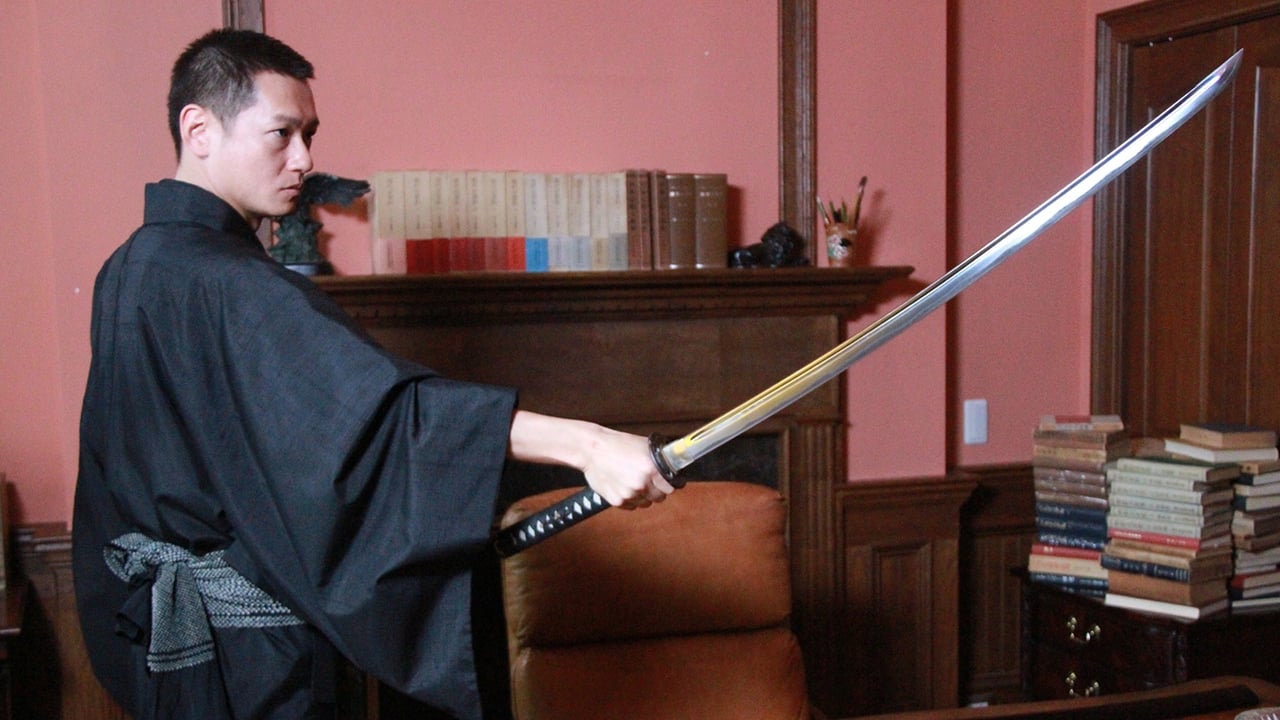
On November 25th 1970, a man committed ritual suicide inside the Tokyo headquarters of the Japanese Ministry of Defence, leaving behind a legacy of masterpieces and a controversy that echoes to this day. The man was Yukio Mishima, one of Japan's greatest and most celebrated novelists. With four members of his own private army - the Tatenokai - Mishima had taken the commandant hostage and called upon the assembled military outside the Ministry to overthrow their society and restore the powers of the Emperor. When the soldiers mocked and jeered Mishima, he cut short his speech and withdrew to the commandant's office where he committed seppuku - the samurai warrior's death - tearing open his belly with a ceremonial knife before being beheaded by one of his colleagues. What was Mishima truly trying to express through his actions? And what did he witness during his final moments?Read moreLess
On November 25th 1970, a man committed ritual suicide inside the Tokyo headquarters of the Japanese Ministry of Defence, leaving behind a legacy of masterpieces and a controversy that echoes to this day. The man was Yukio Mishima, one of Japan's greatest and most celebrated novelists. With four members of his own private army - the Tatenokai - Mishima had taken the commandant hostage and called upon the assembled military outside the Ministry to overthrow their society and restore the powers of the Emperor. When the soldiers mocked and jeered Mishima, he cut short his speech and withdrew to the commandant's office where he committed seppuku - the samurai warrior's death - tearing open his belly with a ceremonial knife before being beheaded by one of his colleagues. What was Mishima truly trying to express through his actions? And what did he witness during his final moments?
The story
On November 25th 1970, a man committed ritual suicide inside the Tokyo headquarters of the Japanese Ministry of Defence, leaving behind a legacy of masterpieces and a controversy that echoes to this day. The man was Yukio Mishima, one of Japan's greatest and most celebrated novelists. With four members of his own private army - the Tatenokai - Mishima had taken the commandant hostage and called upon the assembled military outside the Ministry to overthrow their society and restore the powers of the Emperor. When the soldiers mocked and jeered Mishima, he cut short his speech and withdrew to the commandant's office where he committed seppuku - the samurai warrior's death - tearing open his belly with a ceremonial knife before being beheaded by one of his colleagues. What was Mishima truly trying to express through his actions? And what did he witness during his final moments?
Cast & crew
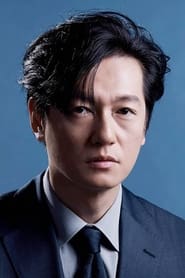 Arata IuraYukio Mishima
 Shinnosuke MitsushimaMasakatsu Morita
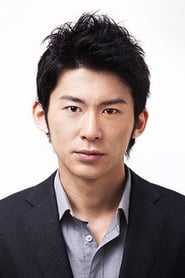 Tasuku NagaokaMasayoshi Shoga
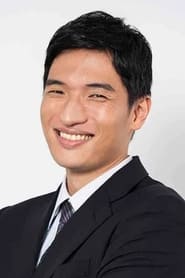 Suzunosuke TanakaMasahiro Ogawa
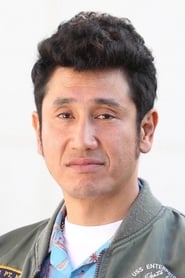 Kiyohiko ShibukawaHiroshi Mochimaru
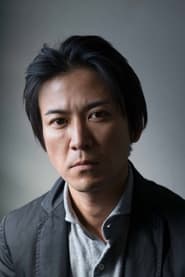 Shima OnishiKiyoshi Kuramochi
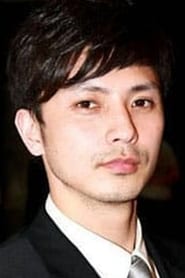 Hideo NakaizumiKenichi Tanaka
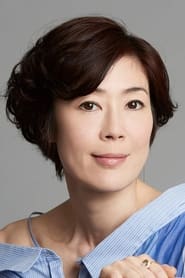 Shinobu TerajimaYoko Hiraoka
 Hanae KanMakiko Ueda
 Shinji SuzukiMasakatsu Sekikawa
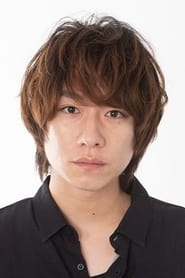 Motoki OchiaiCast
 Takatsugu IwamaCast
Explore the crew
- Original Music Composer
- Fumio Sakahashi
- Director
- Kōji Wakamatsu
- Screenplay
- Masayuki Kakegawa
- Editor
- Kumiko Sakamoto
- Producer
- Noriko Ozaki